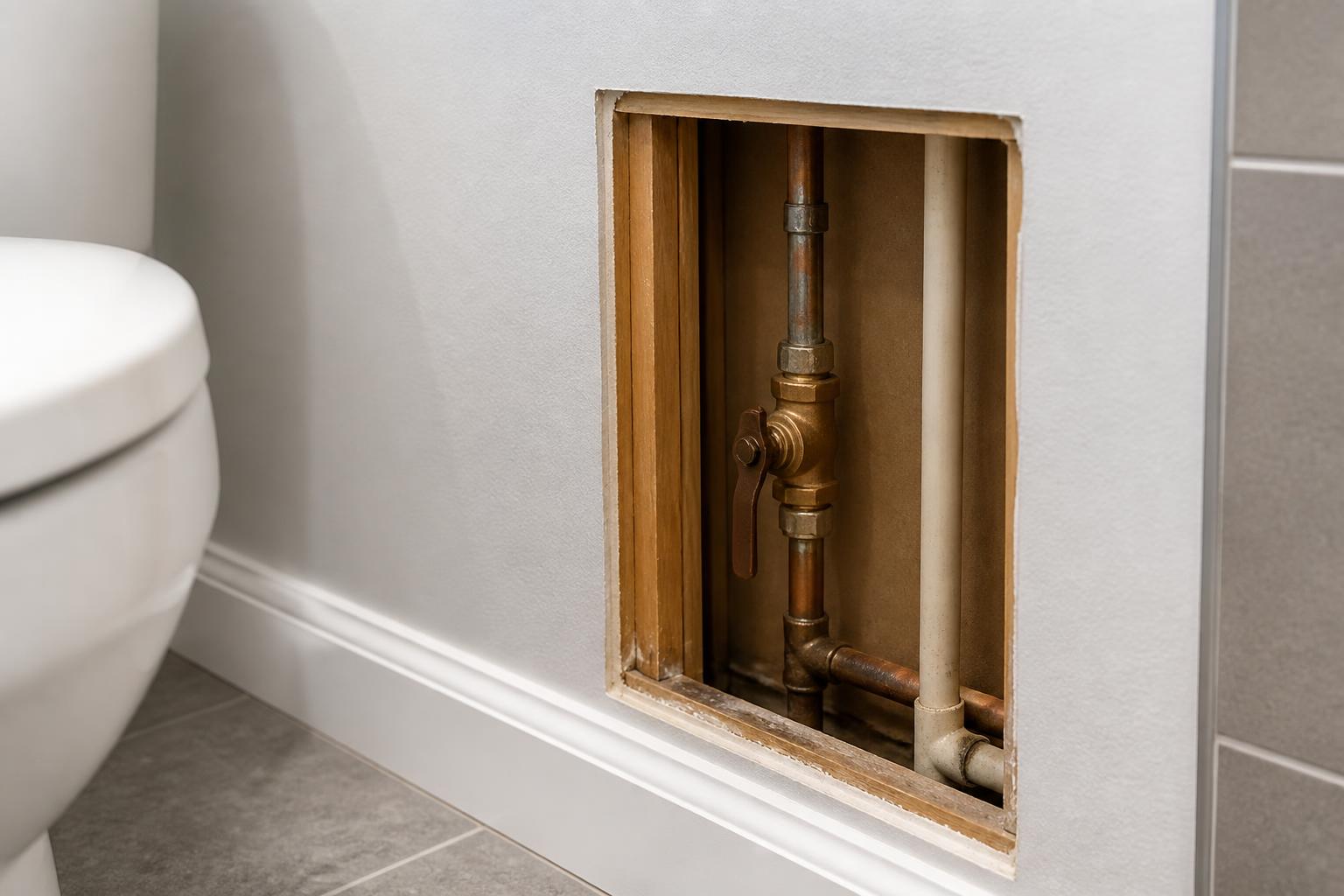
A wet spot on the ceiling, a cabinet that smells damp, or a water bill that keeps climbing can all point to a hidden leak. Some leaks show up fast. Others stay quiet until they have already damaged drywall, flooring, or fixtures.
If you need leak detection service for Sterling, VA, Loudoun Plumber LLC can help track down the source and give you a clear next step. We look for the cause behind the symptom, whether the water is showing up at a sink, behind a wall, near a toilet, or somewhere you cannot see yet.
Leaks do not always announce themselves with a steady drip. Many start with small hints that are easy to overlook during a busy week. The sooner you connect the signs, the less chance there is for water to spread beyond the source.
Even a small leak can keep feeding the same area day after day. That is why it helps to act when the signs are still minor, before the problem spreads to surrounding materials.
Some leaks are obvious once the area is opened. Others stay concealed behind finishes or inside tight spaces. We focus on places where water often escapes without being seen right away.
Cabinets, sinks, toilets, and faucet connections are common leak points because they combine frequent use with multiple fittings. A tiny failure at a supply line or seal can send water into wood, tile seams, or the floor below.
When water appears far from the source, it is often traveling along framing or through layered materials. A stain on a ceiling may start at a fixture, pipe run, or joint above the affected area.
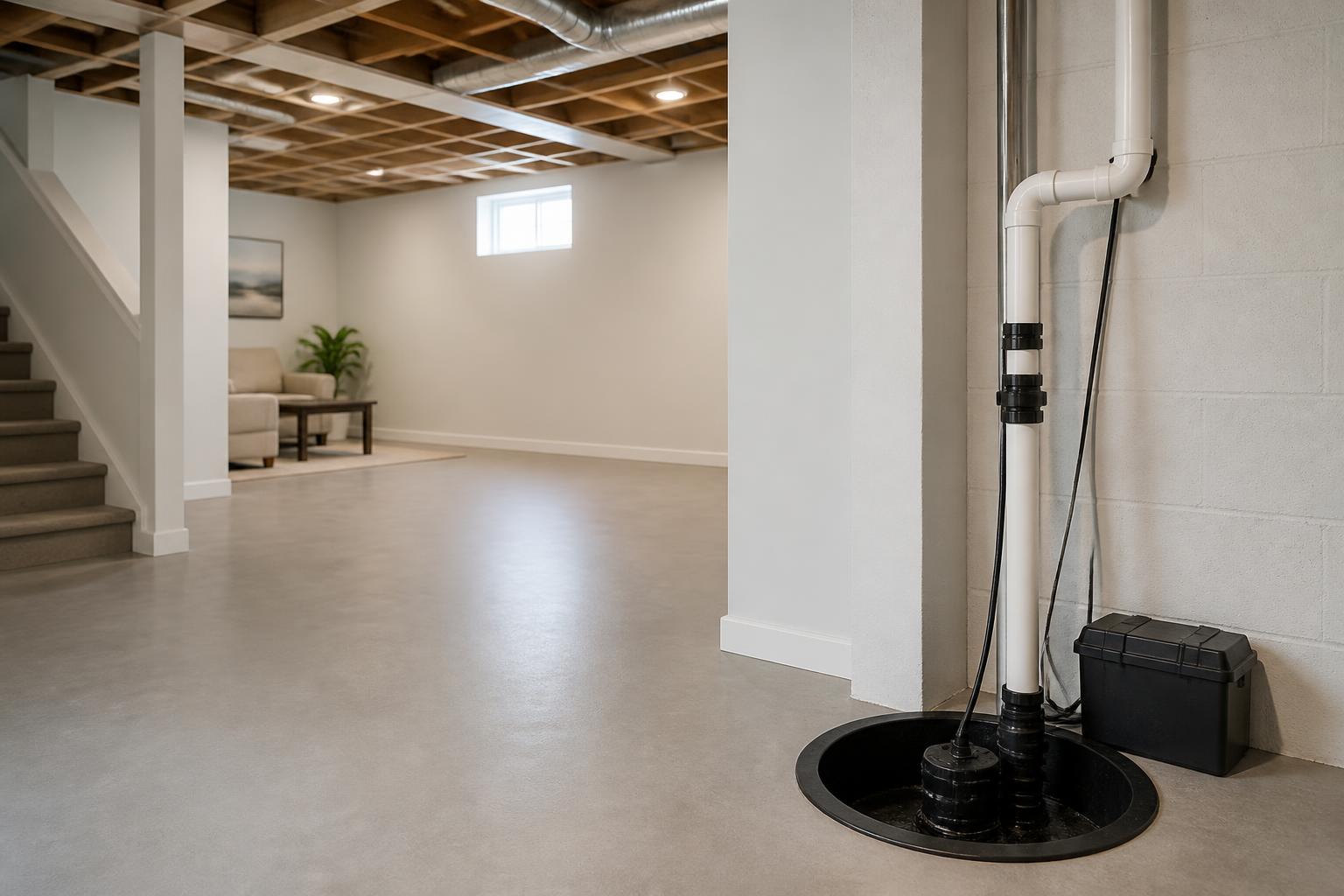
Basements, laundry areas, and mechanical rooms can hide slow leaks near pipe connections, drains, or equipment hookups. These areas may collect water with little visible warning until the damage becomes more obvious.
Leak detection should answer two questions: where is the water coming from, and what needs attention first. At Loudoun Plumber LLC, we work to narrow the source so you can make a smart repair decision without guessing.
We start with the signs you have noticed, such as stains, dripping, moisture, or changes in water use. Your observations help guide the search.
We inspect the visible problem area and nearby plumbing points to look for stains, gaps, active dripping, or moisture paths.
Water often travels away from the source before it becomes visible. We look for the route it is taking through nearby materials and fixtures.
Once the source area is narrowed down, we explain what appears to be happening and what kind of repair may be needed next.
This approach helps avoid unnecessary work and keeps the focus on the actual cause rather than the most obvious symptom.
Leak detection often comes down to a handful of repeat trouble spots. Knowing where they tend to start can help you spot trouble earlier and describe it more clearly when you call.
Sometimes the first sign is not a puddle at all. A slight change in sound, a damp smell, or a small stain can be enough to point toward a developing problem.
If you suspect a leak, a few simple steps can help protect the area before it gets worse. These are not fixes, but they can limit spread while you wait for an inspection.
If the leak seems tied to a sink, toilet, or appliance hookup, limit use until it can be checked.
Move rugs, boxes, or stored items away from damp areas so they do not absorb more moisture.
Write down when you first noticed the problem, where it appears, and whether it changes after use.
A quick call can save time when the source is unclear. Loudoun Plumber LLC can help narrow the problem and explain the next step.
If the leak is active, even a small delay can let water spread into finishes and framing. Quick attention often means a simpler repair path.
Leak concerns can show up anywhere water lines, fixtures, or drain connections are used. A household bathroom, a break room sink, or a utility area can all reveal the same warning signs: moisture where it should not be, or water use that does not make sense.
At Loudoun Plumber LLC, we serve customers across Sterling, VA who need a clear answer about where water is escaping. We keep the focus on the visible problem, the likely source, and the repair direction that makes sense for the space.
Small leaks are easy to dismiss because they may not seem urgent at first glance. But moisture rarely stays put. It can work into drywall seams, under flooring, or into nearby cabinets before anyone notices the full scope.
If you have repeated dampness, a stain that keeps growing, or a fixture that never seems quite right, it is a good time to schedule leak detection. Waiting for the problem to become obvious can lead to more cleanup and a larger repair area.
Homeowners often want to know what leak detection can and cannot tell them. These questions can help you decide whether it is time to have the area checked.
Yes. Water can travel along framing, pipes, and surfaces before it becomes visible, which is why the wet spot is not always the source.
A damp or musty smell can be an early sign of hidden moisture. It is worth checking even if there is no visible puddle.
It can. Slow leaks often keep feeding the same area and may do more damage over time than a sudden spill that gets noticed quickly.
That usually means water is still reaching the area. The visible mark may continue to spread until the source is found and addressed.
Yes. If your water use changes without a clear reason, hidden leakage is one possible explanation.
No. Stains, odors, and soft surfaces can all appear before active dripping becomes obvious. Earlier attention usually makes the repair process simpler.
If you need leak detection for Sterling, VA, call Loudoun Plumber LLC at +17036738861. You can also reach us at 46428 Springwood Ct, Sterling, VA 20165, USA during our listed hours any day of the week from 7:00 AM to 8:00 PM.
When you contact us, be ready to share where the moisture appeared, how long you have noticed it, and whether any fixtures or water use seem connected. That information helps us focus on the likely source and move the job forward with less guesswork.
Contact Us
Tell us what is happening at your property, and we will help you schedule the right plumbing service for the issue, repair, or installation.